
Milano is inextricably linked to design and architecture. Every year in April, the city is flooded by thousands of people visiting from all over the world to discover the new hot trends at Salone del Mobile; its streets are full of landmark buildings, their entryways so refined and elegant they were collected in a best-seller coffee table book. But how did this enduring trend start in the first place?
Several reasons can be found to explain it: for once, the close proximity to the area of Brianza was certainly crucial. Most of the Italian furniture production is located between the northern outskirts of Milano and Lake Como, in a long-standing tradition of craftsmanship and quality. The city is also considered the economic capital of Italy and has been ever since the early 1900s – meaning Milanese people are usually wealthy and willing to spend big on their homes. And finally, the cosmopolite influences that invested the city from the 1950s onwards definitely served as an inspiration for many Milanese designers.
Milanese designers of the Mid-Century era
The decades after the Second World War were indeed the most lively and creative for the cultural scene of Milano. Architecture, interior and furniture design came together to reshape the city, heavily damaged by bombs, and to offer Italians a new way of living. The horrors of wartime were finally a thing of the past: it was now time to look ahead and envision a bright future, coming up with new styles that could feel entirely new. If we don’t consider some minor experiences dating to the pre-war years, it was the beginning of the Italian Mid-Century Movement, and it all happened in Milano.

The internationalisation of Italian design had yet to begin (Salone del Mobile would only start in 1961), but thanks to the initiative of major furniture brands, the main Milanese designers and their works gradually became known outside of Italy too. In fact, with today’s revamp of vintage, some of the most beloved and sought-after design pieces are indeed those created between the early Fifties and the Seventies by Italian, and Milanese, designers. Entire books have been written on the matter, and this is certainly not the place for an extensive panoramic of this fantastic era. But these are our 10 favourite Milanese designers of the past, and their best works!
Joe Colombo
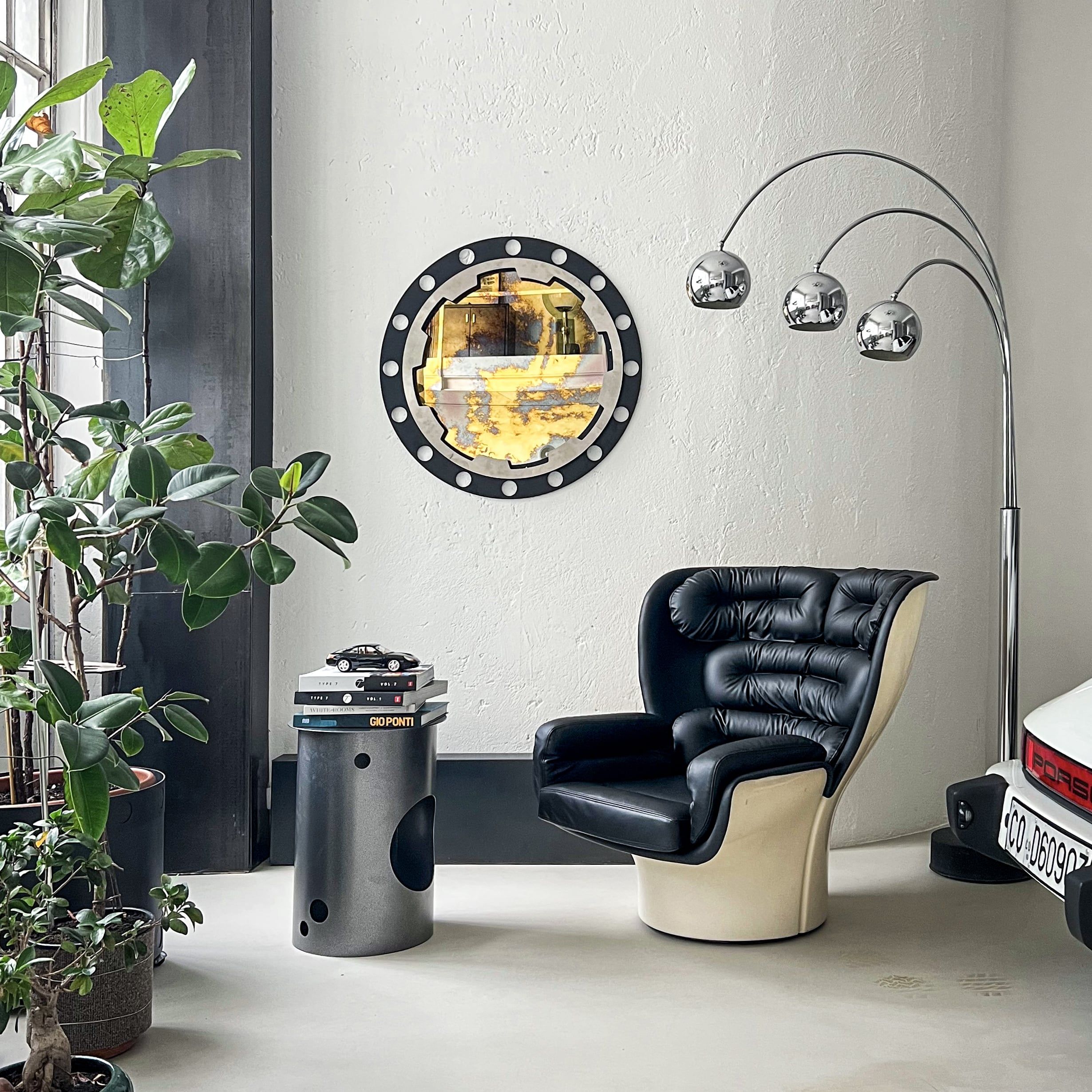
Born Cesare Colombo, he started his creative career as a painter; later on, as he entered the family business, he approached the world of furniture design – since the machinery of the Colombo company allowed him to experiment with modern materials such as fibreglass and PVC. His career as a designer was sadly brief, due to his premature passing in 1971; however, in just a decade he was able to leave an indelible mark in design history: his best works are the “Tube Armchair”, the “Portable Storage System” – also known as the Boby Trolley, and especially the “Elda Chair”, an icon of the Space Age Era.
Gianfranco Frattini
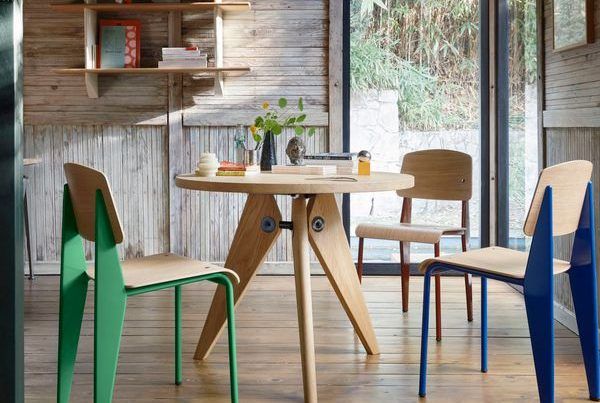
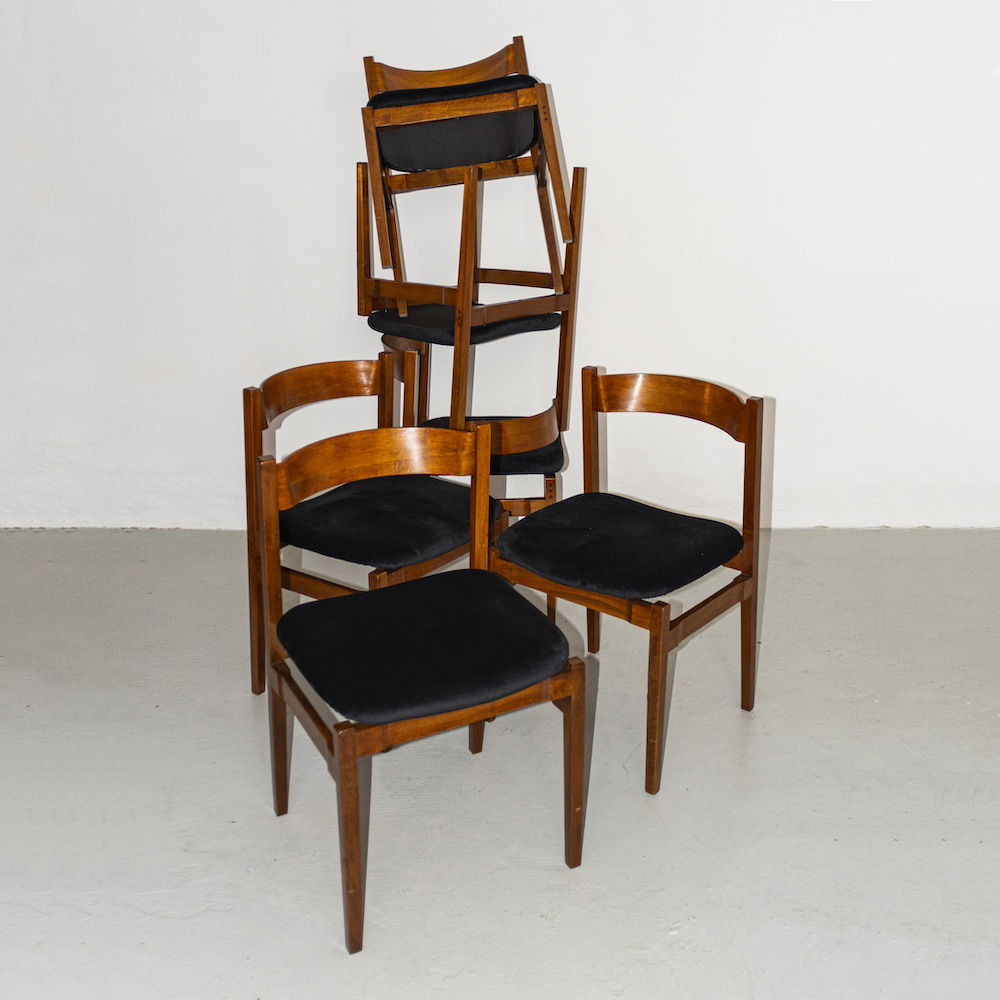
While not born Milanese (he was originally from Padua), Gianfranco Frattini graduated from the Politecnico and started his practice in Milano in 1953 after working with Gio Ponti for a period. Frattini was a prolific architect and designer, but most of his interiors – at least the public venues – have long been shut down. Better luck graced his furniture creations, penned for companies like Bernini, Arteluce, Artemide, and especially Cassina. For the latter, at the time the foremost Italian furniture brand, a young Gianfranco Frattini designed some very elegant chairs, like the pictured model “101”.
BBPR
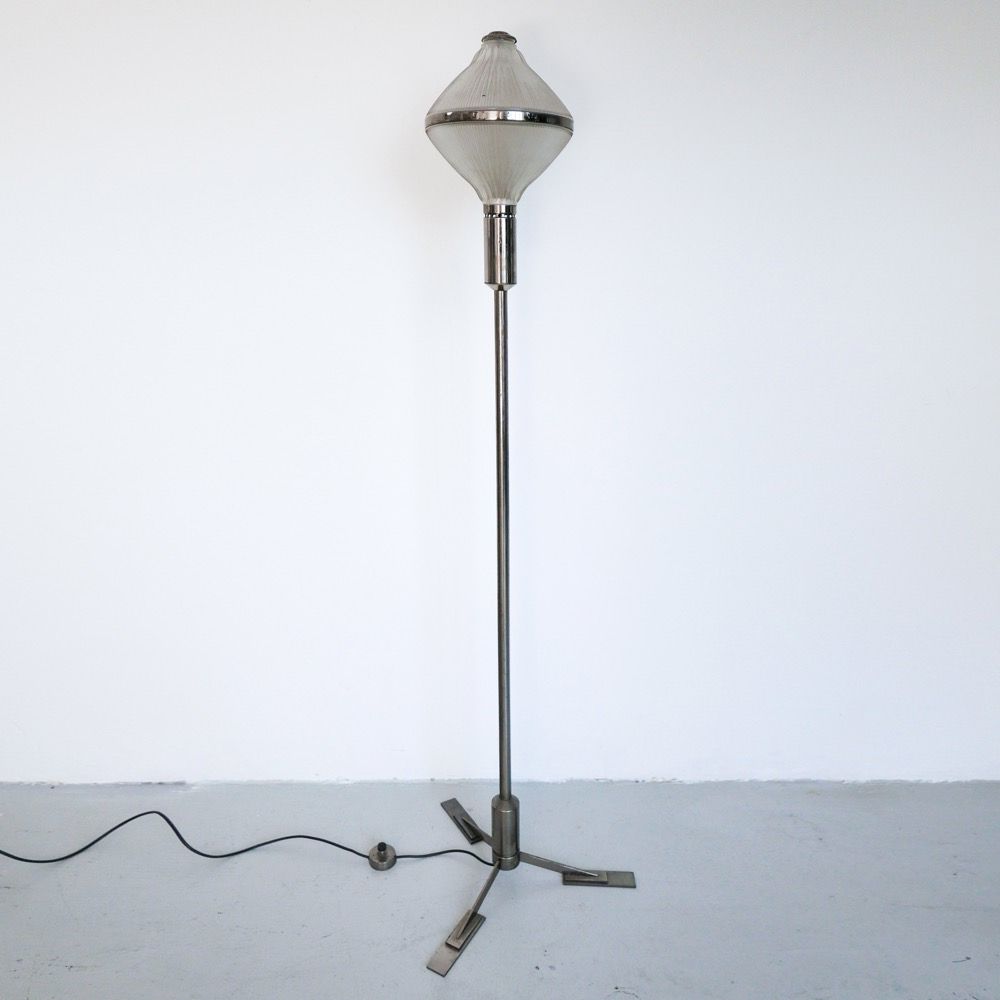
As we said, Milano is punctuated with architectural landmarks. One of them, and probably the most recognisable, Torre Velasca bears the signature of Studio BBPR (the letters standing for Banfi, Barbiano di Belgiojoso, Peressut and Rogers, the partners who founded the studio in 1932). They also designed several other buildings around the city, but understandably none earned the same fame as the iconic tower. Besides being architects, BBPR also designed some lesser-known and extremely sought-after furniture pieces – one being the “Polimnia” collection of lamps for Artemide. Pictured here is the floor version.
Gio Ponti
Dedicating such a short paragraph to Gio Ponti almost feels disrespectful. The truth is, an entire book would not be enough to cover everything the legendary architect achieved in the six decades of his career. He was a revolutionary architect and designer, an appreciated painter, and a wise writer. His buildings, all sharing a strong identity, are a common sight around Milano; and so are his furniture pieces, easy to spot in the most refined interiors. He tied his name to the Cassina brand with the creation of the “Leggera” and “Superleggera” chairs, both produced continuously from the mid-fifties to the present day and still looking as beautiful as the day they were designed.


Osvaldo Borsani
The name of Osvaldo Borsani recently rose to global popularity as Alcova set the 2024 exhibition in his former villa in Varedo, but design enthusiasts and collectors have known his revolutionary creations for a long time. Borsani’s earliest designs of the 1930s weren’t much different from anything else of the period; however, from the early Fifties onwards, he switched decidedly to an industrial and innovative style. His creations were now marketed through Tecno, the brand he founded in 1953 (which recently launched sanctioned reissues of his most famous pieces): we’re talking of the P40 reclining chair, the D70 sofa or the T69 table, all icons of Milanese design.
Franco Albini
Franco Albini might not ring a bell immediately, we know. But, if you’ve moved around Milano by Metro at least once, you’ve seen his work in person. His greatest achievement was indeed the project for the visual identity of the Milanese underground transportation system, curated together with his wife Franca Helg and Dutch designer Bob Noorda. In partnership with Helg, Albini also designed lamps for Sirrah; while our favourite Albini piece bears his single signature: it’s the “Luisa” dining chair, once again manufactured by Cassina.


Ignazio Gardella
Ignazio Gardella was a complete creative: architect, interior designer and furniture designer. The lamps, tables and armchairs he designed are often found in his interiors; on at least one occasion, an interior project sparked the creation of a furniture piece. It was the “LP11” lamp, designed for the setup of the Modern Art Gallery in Milano and subsequently nicknamed “Galleria”, which then went into production at his brand Azucena. It can also be spotted in the entryways of many Milanese buildings.
Luigi Caccia Dominioni
Business partner of Ignazio Gardella at Azucena, together with Corrado Corradi dell’Acqua, Caccia Dominioni has been a prominent figure of the Milanese “Novecento”. His rational approach to architecture gracefully integrated details and materials of pre-war buildings, an attitude that certainly helped him achieve so many commissions throughout the Forties and Fifties. As a designer, he favoured modern materials and simple shapes in line with the Mid-Century philosophy. Given our love for lamps, of course our favourite Caccia Dominioni pieces are the “LP10” and “LP11” wall lamps, both made in brass and opaline glass by Azucena.


Achille & Pier Giacomo Castiglioni
Brothers and partners in design, Achille and Pier Giacomo Castiglioni had their own practice in one of Milano’s most spectacular locations – right in front of Castello Sforzesco. Their office, now the Castiglioni Foundation, is occasionally open for visits; inside, is showcased most of the brother’s outstanding lineup of design pieces, ranging from the Arco and Snoopy lamps to the Mezzadro stool, from the Tric chair to our forever favourite: the Brionvega RR126 stereo. We’ve been lucky enough to own and trade quite a few of them, and they always impress for quality and timelessness.
Giulio Minoletti
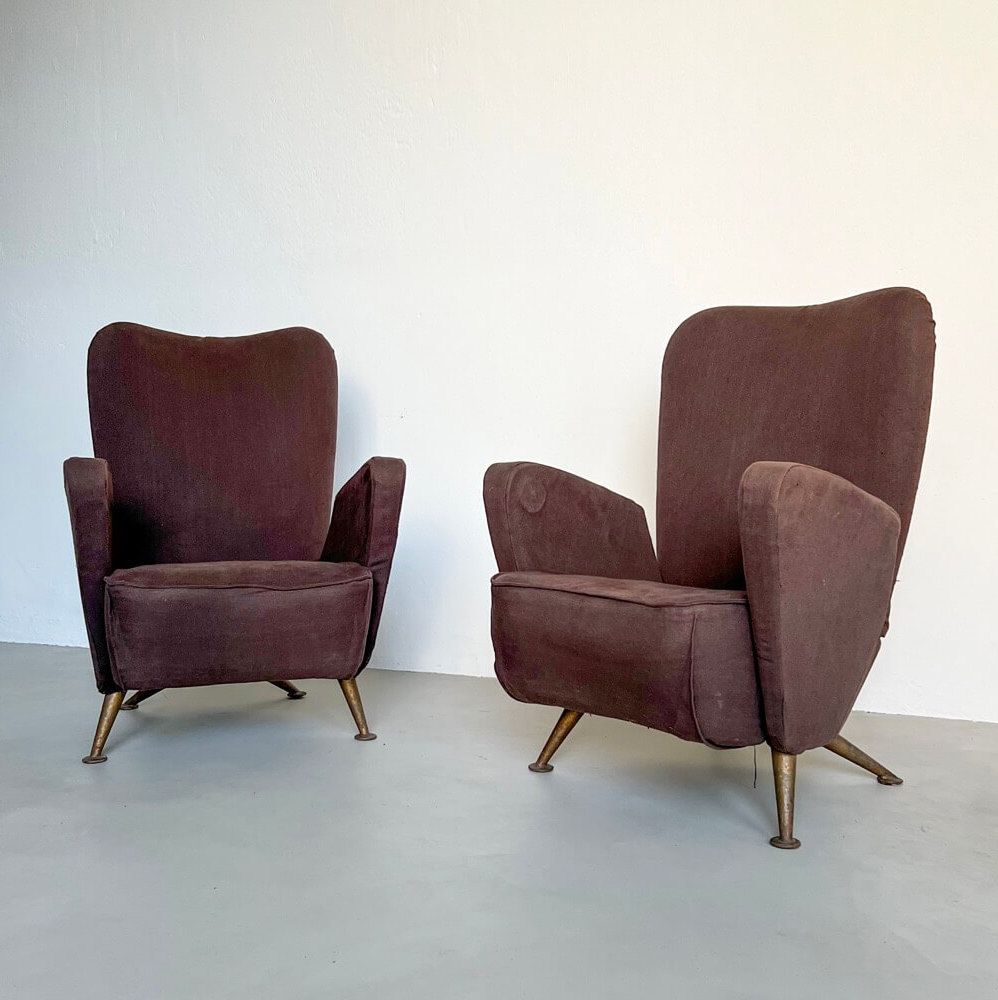
We like to keep the gems for last: very few people know the name of Minoletti, possibly because his portfolio is not huge, especially if compared to other Milanese designers. However, he designed buildings and furniture of the best possible level. The recently restored Weekend House for a Single Man on Lake Como is a great lesson in interior design, and the Residential Building at the Arcadia Garden is one of Milano’s best kept secrets. Speaking, instead, of furniture design, he curated the interiors of the Settebello train together with Gio Ponti: here is an exceedingly rare pair of armchairs from that project.
With this list, you should know where to start for a tour of the city’s best Modern Architecture; next time you’re in town, take some time to discover the works of the greatest Milanese designers of the past. And if you’re a furniture collector, why don’t you check our online catalog and explore our curated selection of Italian Mid-Century collectibles?