
Decorating a space is not just about picking out the latest trendy pieces of furniture or splashing on a coat of paint. It’s an art and science that requires careful planning, creative vision, and a structured process. Whether you’re designing a home, office, or commercial space, a strategic approach ensures that the end result is both functional and aesthetically pleasing.
In this guide, we will walk you through the essential phases of decorating a space, from the initial study of existing materials to finalizing furniture, fabrics, and artwork. By following these steps, you’ll create a cohesive and thoughtfully designed space that will leave a lasting impression.
1. Initial Consultation and Site Inspection: Laying the Foundation
The first step in any interior design project is to study the existing conditions of the space. This means conducting a thorough site inspection to understand the layout, architectural elements, and natural features of the room. Whether you’re working with a client or designing for yourself, you’ll need to assess the dimensions, lighting, flow, and any architectural limitations or opportunities.
Key tasks during this phase:
- Take precise measurements of the room, including doorways, windows, ceiling height, and furniture placement.
- Evaluate the natural light sources to determine how they interact with the space and identify areas for possible lighting upgrades.
- Analyze the existing materials (walls, floors, ceilings) to identify what can be kept, what needs to be changed, and what can be enhanced.
The site inspection allows you to establish a solid foundation for your design project, ensuring that the design fits with the functionality and the aesthetic needs of the space.
2. Defining the Design Intent: Creating Moodboards and Conceptualizing the Vision
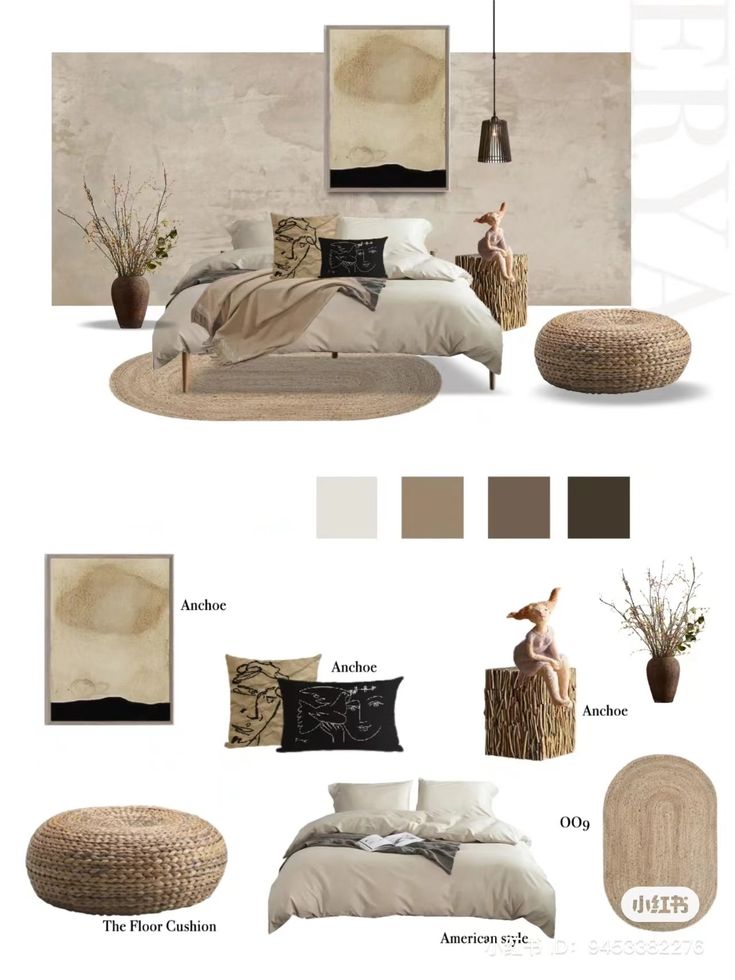
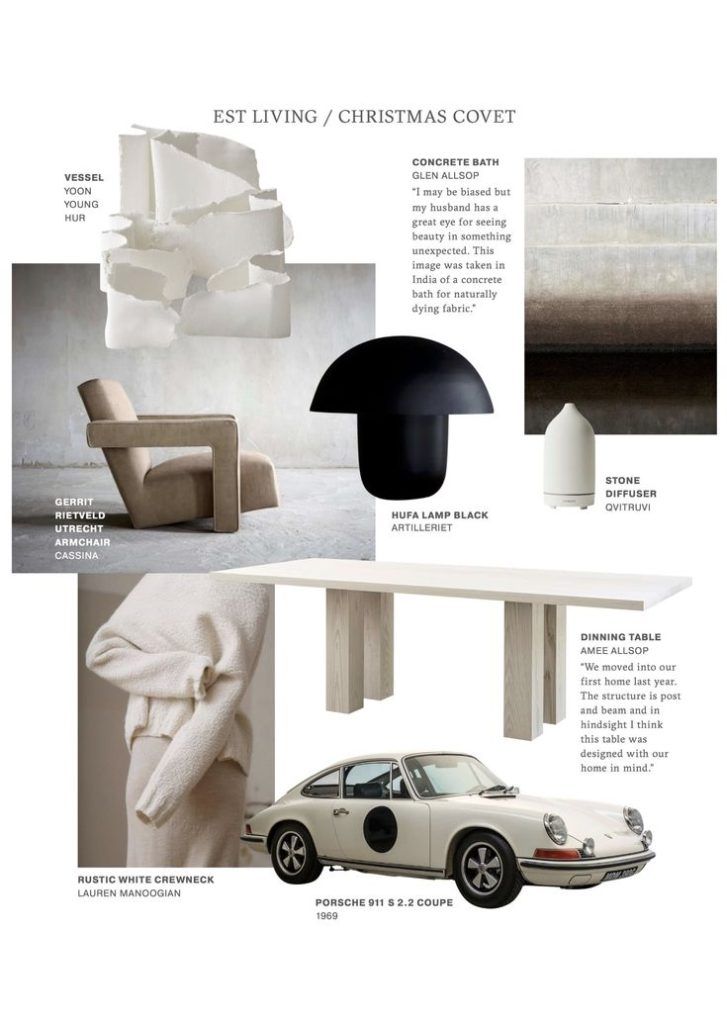
Once you have a clear understanding of the space, the next phase involves conceptualizing the design intent. A moodboard is an excellent tool to visually showcase your ideas and communicate the direction of the project to your client or team.
Key tasks during this phase:
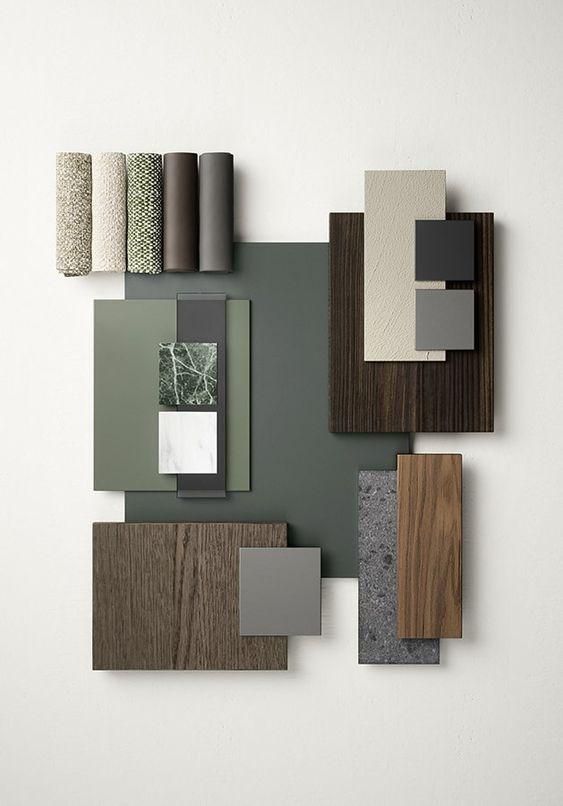
- Create a moodboard that includes color schemes, textures, furniture styles, and design inspiration. This helps articulate the feel and atmosphere of the space.
- Establish a design concept based on the purpose of the room (e.g., a cozy living room, a functional office, or a luxurious hotel lobby).
- Select a color palette that aligns with the desired mood. For example, neutral tones for a calming space, or bold colors for an energetic vibe.
Moodboards serve as the bridge between the initial ideas and the tangible design, setting the stage for selecting materials, furniture, and accessories that will work in harmony.
3. Material Selection: Bringing the Vision to Life
Selecting the right materials is critical to achieving the intended look and feel of the space. This phase requires a deep understanding of the aesthetic and functional needs of the space.
Key tasks during this phase:
- Choose wall finishes (paint, wallpaper, tiles, etc.) that complement the room’s ambiance.
- Select flooring materials such as hardwood, tile, carpet, or vinyl. Consider durability, maintenance, and comfort.
- Pick fabric textures for upholstery, curtains, and cushions that tie into your color palette and moodboard.
- Incorporate sustainable materials if the project calls for eco-friendly design solutions.
Each material choice should contribute to the overall sensory experience of the space—visually, tactically, and acoustically. Balance is key to creating an inviting and functional atmosphere.
4. Furniture and Fixtures Selection: Crafting Comfort and Functionality
Furniture is a focal point in any room, and its selection can make or break the overall design. This phase involves choosing pieces that are not only stylish but also functional for the space’s purpose.
Key tasks during this phase:
- Choose functional furniture that suits the room’s needs. For example, a large sectional for a family living room or ergonomic desks for an office.
- Consider the scale and proportion of the furniture relative to the size of the space. Oversized furniture can overwhelm small rooms, while tiny furniture can look lost in large spaces.
- Match furniture styles to the room’s design direction, whether it’s modern, vintage, eclectic, or industrial.
Furniture should complement both the aesthetic goals and the practical needs of the space. Pay attention to the comfort and durability of the materials, especially for high-traffic or functional areas like living rooms and kitchens.
5. Choosing Fabrics: Enhancing Textures and Visual Appeal
Fabrics play a vital role in softening the space and adding visual interest. Whether it’s for upholstery, throw pillows, rugs, or window treatments, the right fabrics will elevate the overall design.
Key tasks during this phase:
- Select upholstery fabrics that match the color scheme and design style, considering both durability and comfort.
- Choose soft furnishings like throw blankets, cushions, and rugs to add layers of texture and warmth to the space.
- Opt for high-quality materials like linen, velvet, or leather that elevate the tactile experience of the room.
Fabrics not only impact the visual aspect of a space but also contribute to its sensory experience, offering texture, comfort, and warmth.

6. Artwork and Accessories: Personalizing the Space
Fabrics play a vital role in softening the space and adding visual interest. Whether it’s for upholstery, throw pillows, rugs,
No space feels complete without artworks and accessories. These elements give personality and character to the room while reinforcing the design theme.
Key tasks during this phase:
- Select artwork that aligns with the color palette and overall vibe of the space. Art pieces should act as visual anchors or focal points.
- Incorporate decorative accessories, such as sculptures, mirrors, and vases, to add interest and personality to the room.
- Choose lighting fixtures that enhance the atmosphere, whether it’s ambient, task, or accent lighting.
Artwork and accessories are the finishing touches that make a space feel unique and personalized. They provide a sense of identity and can tell a story, making the space truly your own.

7. Finalizing and Styling: Bringing It All Together
Once the furniture, materials, fabrics, and artwork are selected, it’s time to bring everything together and ensure the space is balanced and cohesive.
Key tasks during this phase:
- Arrange furniture to maximize the flow and functionality of the space.
- Place artwork and accessories strategically to draw attention to key design features.
- Style the space by adding small touches like books, plants, and textiles to complete the look and feel.
Styling is the art of arranging elements in a way that feels harmonious, allowing each item to shine while maintaining a sense of balance throughout the room.

Conclusion: The Art of Decorating a Space
The process of decorating a space is both an art and a science, requiring careful thought, planning, and execution. From the initial site inspection to final styling, each phase plays an important role in ensuring that the design is not only visually appealing but also functional and comfortable.
By following these essential phases of decorating a space—site inspection, moodboarding, material selection, furniture and fabric choices, and the final styling—interior designers can create spaces that are both beautiful and livable. Whether designing for a client or yourself, these steps ensure a cohesive, thoughtful design that elevates the entire experience of the space.