
Design is an ever-evolving field, but the work of certain iconic designers continues to shape the way we approach both form and function. Figures like Jean Prouvé, Carlo Scarpa, Osvaldo Borsani, Carlo Mollino, Dieter Rams, and Gio Ponti have left a lasting imprint on the world of architecture, furniture, and industrial design. In this article, we will explore the unique contributions of these design legends and their ongoing influence on contemporary design trends.
1. Jean Prouvé: The Pioneer of Industrial Elegance
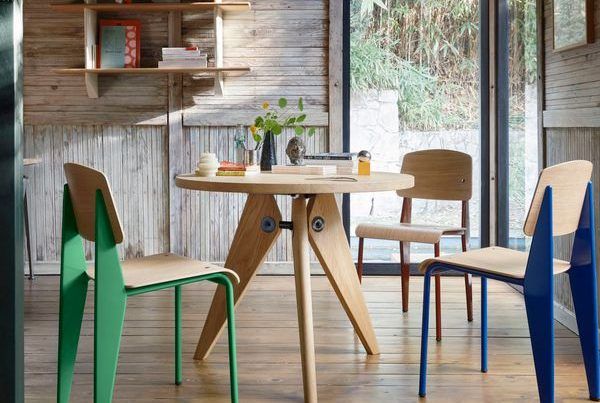
Jean Prouvé (1901–1984) was a French designer and engineer, known for his innovative approach to design that blended industrial techniques with aesthetic elegance. Prouvé’s work is characterized by his use of metal and prefabricated materials, which were revolutionary for the time. He believed that design should be practical and functional without compromising beauty.
His famous creations like the Standard Chair (1934) and Maison Tropicale (1949) demonstrate his ability to merge engineering with design in a way that was both utilitarian and visually appealing. Prouvé’s work paved the way for modernist design and is still celebrated for its understated yet bold approach to both furniture and architecture.

PH- Galerie Patrick Seguin – Jean-Prouvé
2. Carlo Scarpa: A Master of Detail and Materials
Carlo Scarpa (1906–1978) was an Italian architect and designer whose work exemplified a deep respect for materials and craftsmanship. His architectural designs, such as the Querini Stampalia Foundation in Venice, are known for their precise detailing, use of natural materials, and the seamless integration of modern and traditional elements.
Scarpa’s furniture designs were equally meticulous. Pieces like the Cattedra chair (1956) demonstrate his sensitivity to materials, combining wood, metal, and leather to create a harmonious, balanced composition. His meticulous approach to design and his emphasis on tactile quality have made Scarpa a beloved figure in the design world.

3. Osvaldo Borsani: Design Meets Innovation
Osvaldo Borsani (1911–1985) was an Italian architect and designer whose work balanced innovation with classical design principles. A co-founder of the design firm Tecno, Borsani was known for his sophisticated approach to furniture design, where he embraced new materials and technologies while maintaining a strong aesthetic sense.
Borsani’s P40 armchair (1954) is one of his most iconic designs, combining luxurious leather upholstery with a functional steel frame. His approach to modularity in furniture, particularly through his collaborations with Tecno, revolutionized how furniture could be adapted to different environments, allowing for a more flexible and contemporary approach to interior design.

4. Carlo Mollino: The Eccentric Visionary
Carlo Mollino (1905–1973) was an Italian architect, photographer, and designer known for his eclectic style and avant-garde approach. His furniture designs, such as the Lazio table and Mollino Chair, display his unique ability to blend organic forms with geometric precision, creating pieces that felt both futuristic and timeless.
Mollino’s work was deeply personal, often incorporating elements of surrealism and sensuality. His designs were more than just functional objects—they were works of art. His love of experimentation with form and materials made him a standout figure in mid-20th century design, and his legacy continues to influence modern designers who value the intersection of art and craftsmanship.

5. Dieter Rams: The Functionalist Visionary
Dieter Rams (born 1932) is a German industrial designer who is best known for his work with the electronics company Braun. Rams was a leading figure in the development of minimalist design, championing the principles of simplicity, usability, and sustainability.
Rams is perhaps most famous for his Braun SK4 radio and the 606 Universal Shelving System, which exemplify his design philosophy. He coined the now-famous “less, but better” mantra, emphasizing that good design should be unobtrusive and serve its function without unnecessary embellishment. Rams’ work has influenced not only product design but also the broader field of design thinking, inspiring generations of designers—including Apple’s Jonathan Ive.

6. Gio Ponti: The Italian Master of Modernism
Gio Ponti (1891–1979) was a pioneering Italian architect and designer whose work spanned across architecture, industrial design, and ceramics. Ponti’s design style evolved throughout his career, moving from traditional Italian craftsmanship to modernist experimentation. He was a key figure in the development of Italian design and played an important role in promoting Italian modernism internationally.
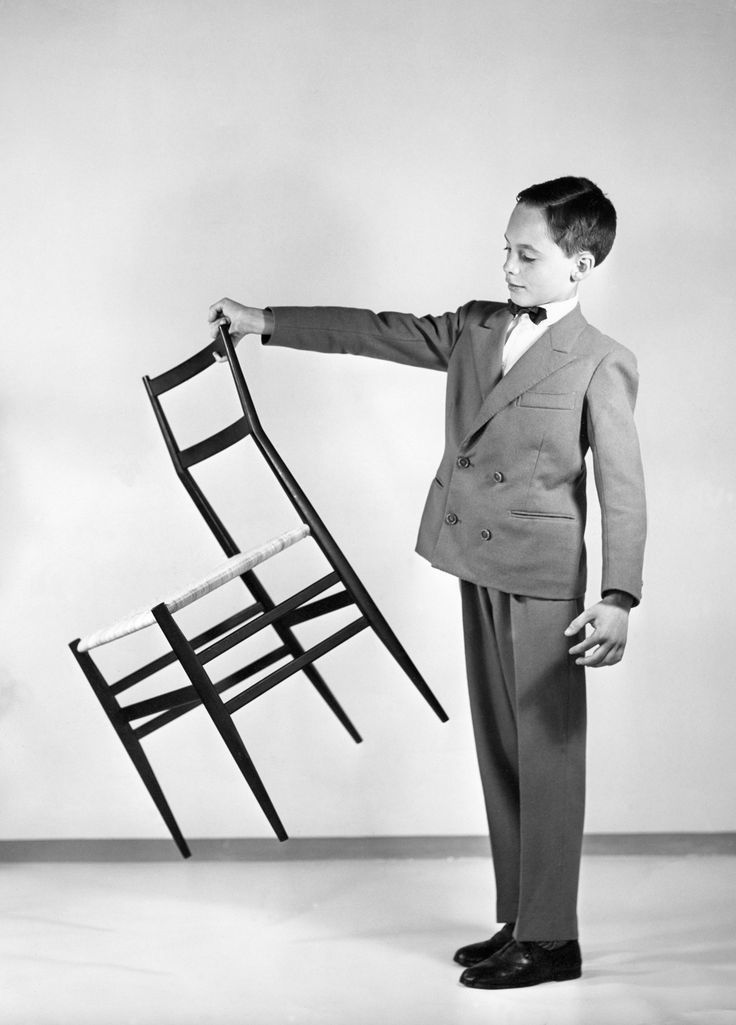
Ponti’s furniture designs, such as the Superleggera Chair (1957), exemplify his philosophy of combining elegance with practicality. The chair’s delicate structure and lightweight design pushed the boundaries of traditional furniture-making while maintaining the quality and craftsmanship that became synonymous with Italian design.
His architecture, including the Pirelli Tower in Milan, reflects his mastery of combining functionalism with aesthetic innovation. Ponti’s influence extends far beyond Italy, making him one of the most influential figures in 20th-century design.
Conclusion: The Timeless Influence of Design Legends
The contributions of Jean Prouvé, Carlo Scarpa, Osvaldo Borsani, Carlo Mollino, Dieter Rams, and Gio Ponti have had a profound impact on the design world. Their works transcended their respective eras and continue to inspire contemporary designers, architects, and manufacturers. These visionaries not only advanced the fields of industrial design, architecture, and furniture but also laid the groundwork for the design principles we follow today—principles that emphasize innovation, functionality, and timeless beauty.
As we continue to navigate a world where design is constantly evolving, the legacy of these six luminaries serves as a reminder of the importance of craftsmanship, creativity, and the harmonious fusion of form and function. Their works are more than just objects or buildings; they are testaments to the enduring power of thoughtful, purposeful design.